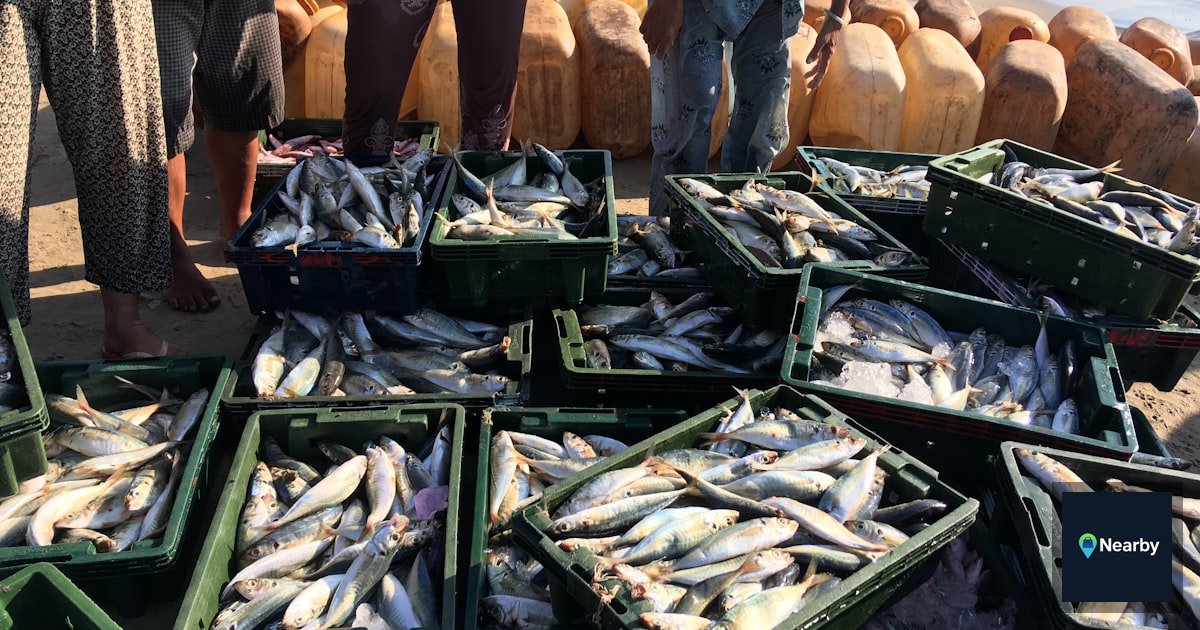
Most e-commerce software was built for a world where inventory is stable: a t-shirt in a warehouse is the same t-shirt tomorrow, and next week, and next month. A butcher shop or fish market lives in a completely different world, and it shows the moment they try to bolt a generic storefront onto their business.
The mismatch nobody warns you about
A generic e-commerce platform treats a product listing as mostly static: a price, a quantity, maybe a photo. For a butcher or fish market, almost none of that holds still. Cuts run out mid-morning and don't come back until the next delivery. Prices move with the market. A product that's fine to sell at 9am can be wrong to sell at 4pm. None of that maps cleanly onto "set a quantity, decrement it per order" — which is exactly what most off-the-shelf inventory systems assume.
The result is what you'd expect: stores either way overstate what's actually available and end up calling customers to cancel or substitute items after the order comes in, or they play it so safe with online listings that half their actual inventory never makes it online at all.
What perishability-aware inventory actually needs to do
- Same-day quantity resets tied to receiving, not a fixed reorder point. What's sellable today depends on what came in today, not a static par level set months ago.
- Fast, low-friction "86 this" controls. When a cut sells out, staff need to pull it from the online storefront in seconds from the same screen they're using at the counter — not log into a separate admin panel later.
- Substitution logic that a human actually controls. If wild salmon runs out, the store — not an algorithm — should decide whether farmed salmon is an acceptable substitute for an online order, and the system needs to make offering that choice easy rather than defaulting to "cancel the item."
- Pricing that can move without a re-upload. Market-rate items need a price field the owner can update in seconds, not a product-catalog edit that takes ten clicks.
Why this matters beyond the operational headache
Every canceled or substituted order after the fact costs a store something it can't easily get back: the customer's trust that ordering online from this business will go the way they expect. For a specialty grocer competing against big-chain grocery delivery — where selection is wide but nobody actually knows what's fresh — getting the "what's actually available right now" question right online is one of the few advantages a small store can hold onto.
BuyNearby's inventory system was built around this from early customer feedback, not retrofitted onto a generic template — same-day resets, one-tap availability controls at the counter, and pricing that updates as fast as the market does. If you run a butcher shop, fish market, or specialty grocer and this is the exact headache you've been dealing with, we'd like to hear what's missing from how we handle it today.